
— "The most otherworldly beautiful music of the 20th century."
The quote above is what renowned author and New York Times critic Alex Ross writes about Olivier Messiaen's Quartet for the End of Time. The masterpiece was composed in 1941 under inhumane conditions in a German concentration camp, but despite the backdrop, the music feels full of vitality and hope.
Pianist Håkon Austbø has, over 60 years of work, distinguished himself as one of Europe's foremost Messiaen interpreters, and we look forward to experiencing him in this remarkable work together with a solid group of chamber musicians from the Norwegian Broadcasting Orchestra .
Brahms' violin sonatas also symbolize a very special vitality — three sonatas that have become among the most complete and rich chamber music in history. At this concert we will hear the first, which thus marks the start of this autumn's Brahms cycle. You can read Håkon Austbø's introduction to the entire program further down this page. Welcome!
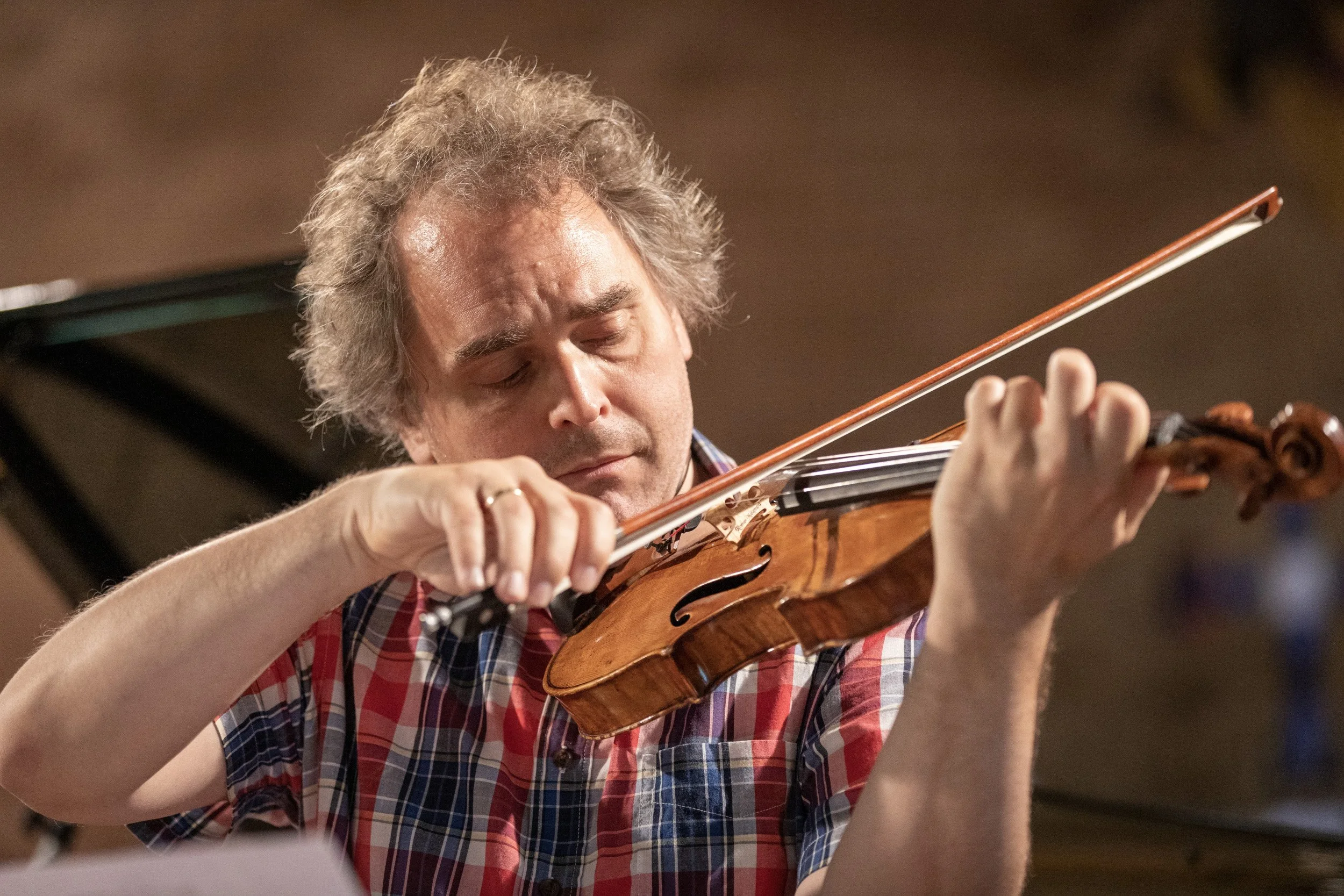
Annar Follesø violin
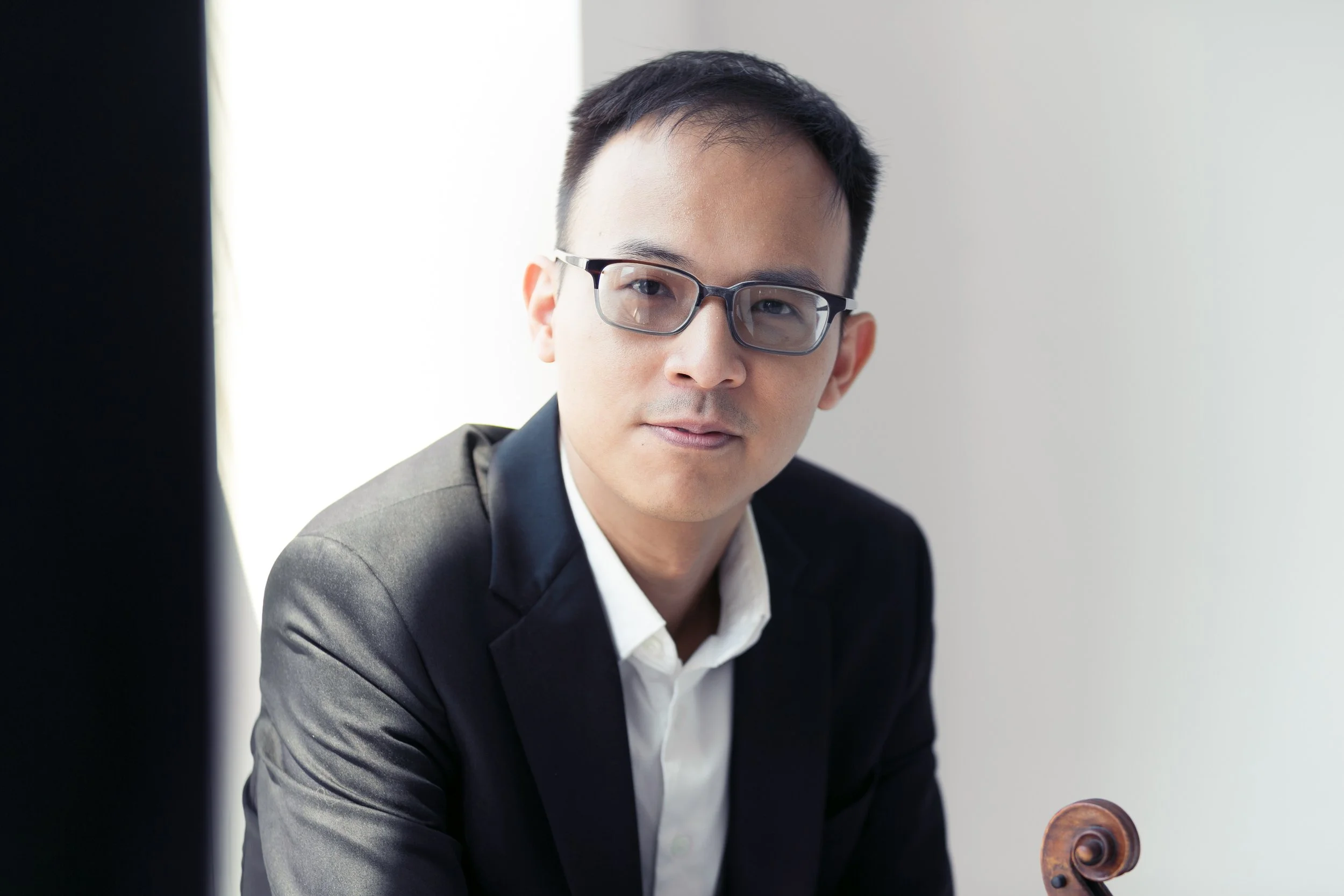
Dechopol Kowintaweewat violin
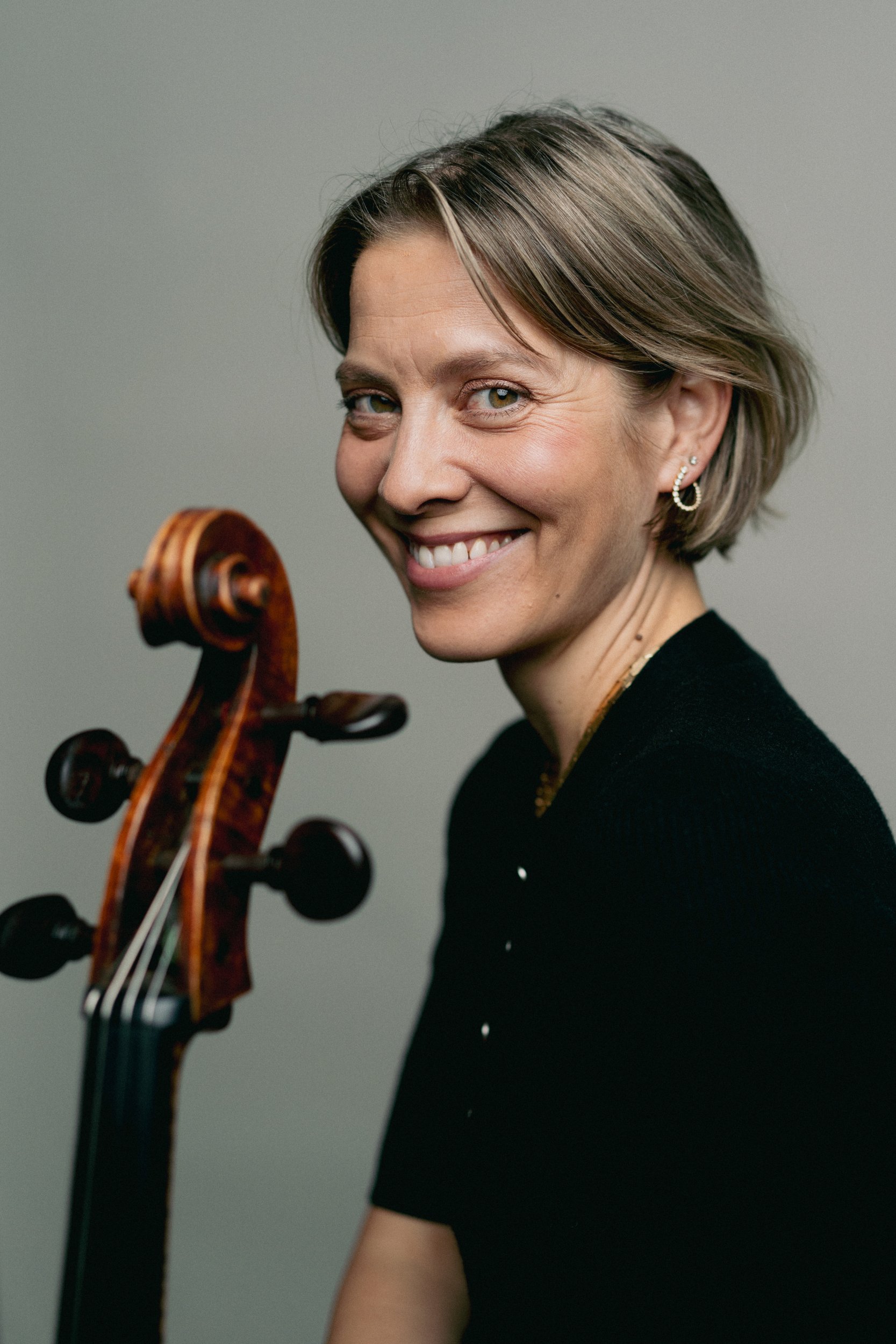
Torun Sæter Stafseng cello
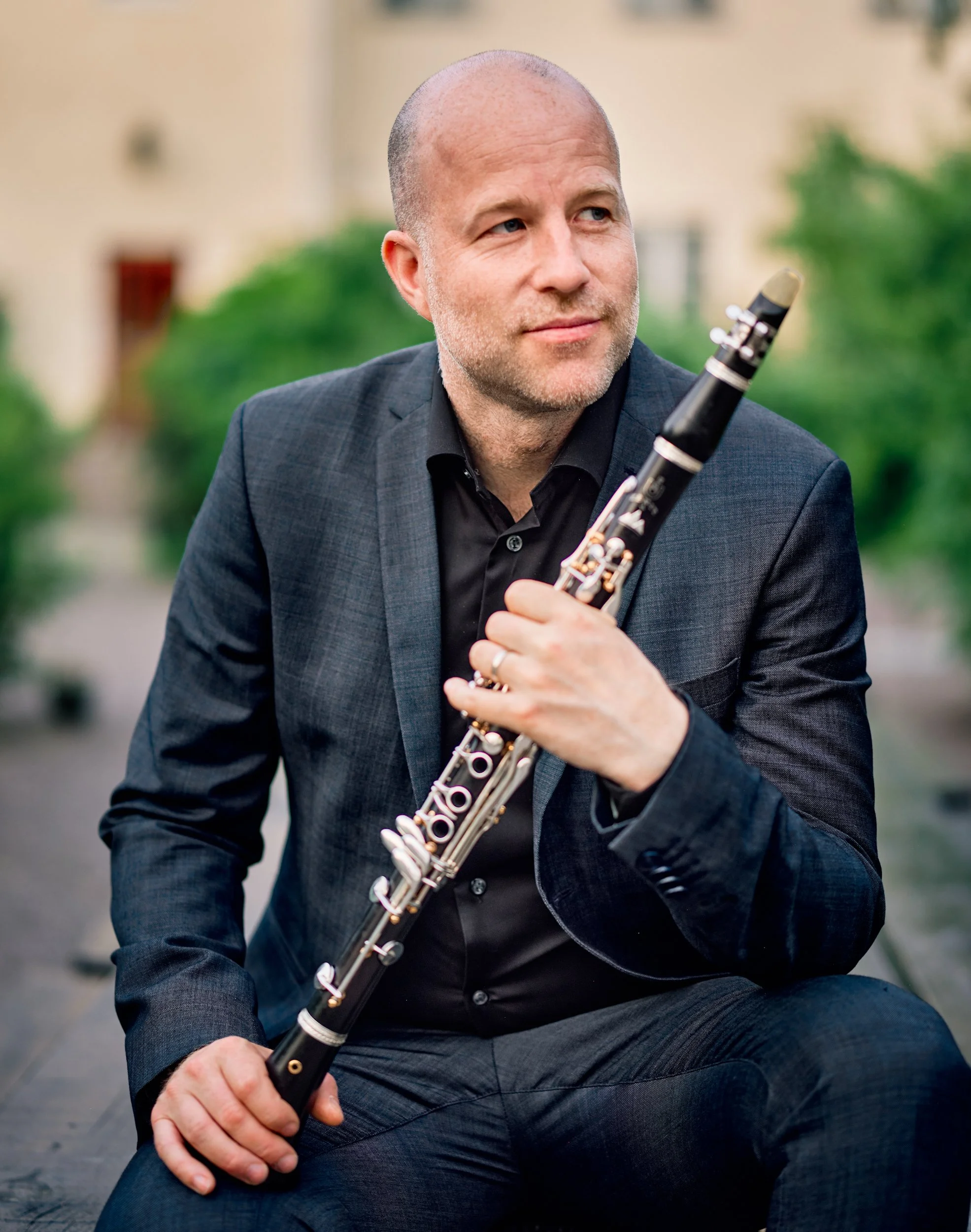
Björn Nyman clarinet
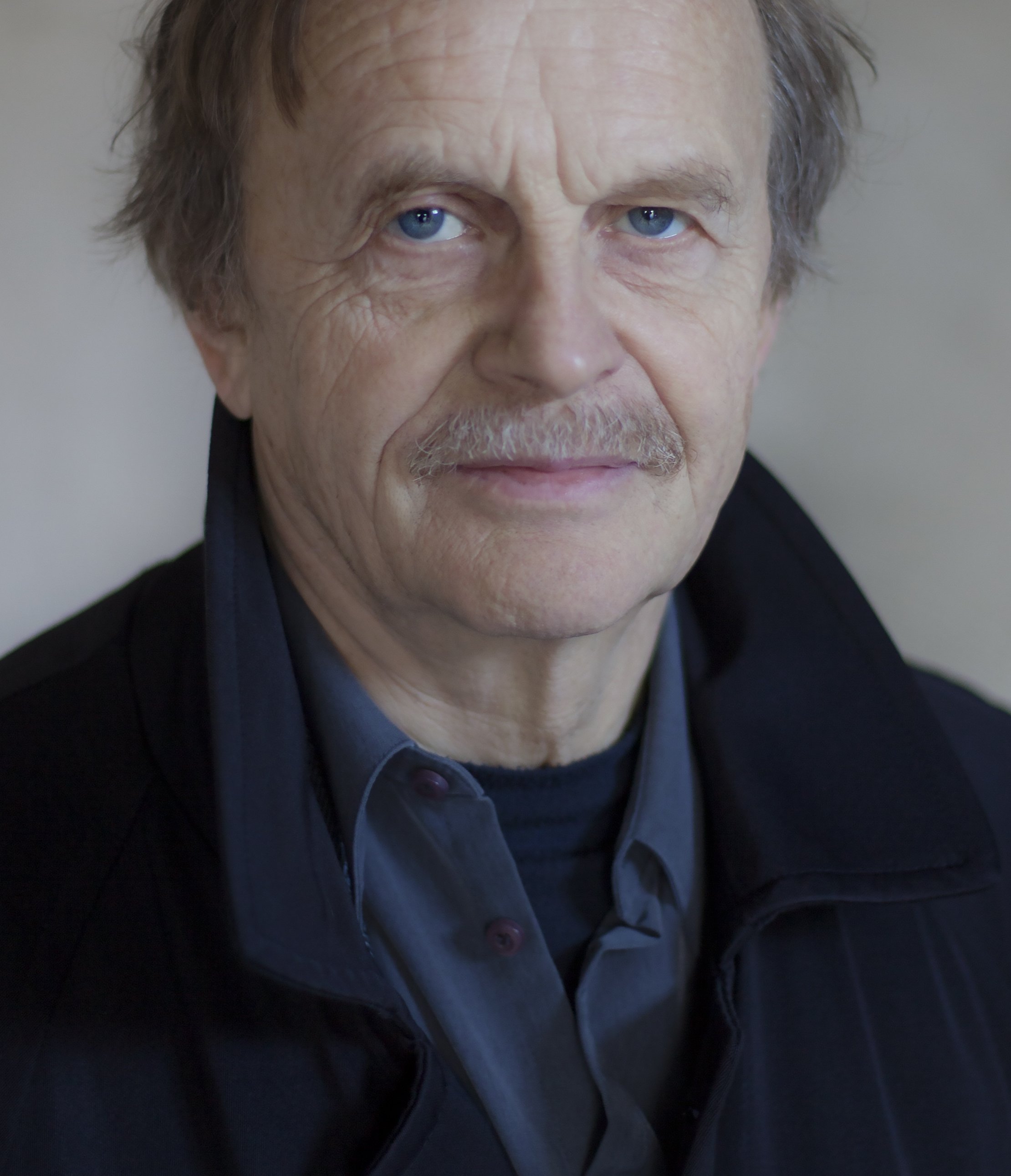
Håkon Austbø piano
Duration approximately 1 hour and 15 minutes. The programme is without intermission.
-
Johannes Brahms (1833—1897)
Violin Sonata No. 1 in G major, Op. 78 'Region Sonata'Olivier Messiaen (1908—1992)
Quartet for the End of Time (1941) -
Håkon Austbø has been active as a pianist for almost 60 years. His first appearances were as a soloist with the Harmonien in Bergen in 1963 and his debut concert in University Aula in Oslo in 1964. Since then he has established a central position in Norwegian and international music life. He is perhaps best known as an interpreter of Olivier Messiaen, with whom he worked closely and thus became one of the few to bring forward first-hand knowledge of his style. He has also been one of the most ardent champions of Alexander Scriabin's music. Typically, both of these composers were concerned with color, something Austbø has made an important part of his work, by promoting the first authentic performance of the color part in Scriabin's Prometheus in the Netherlands in the 1990s, and later developing new color parts for Messiaen's works.
As his work with color crosses over to the visual arts, Austbø has crossed boundaries long before interdisciplinary became a fashionable term. He worked with poets (Claes Gill), actors (Juni Dahr), choreographers (Jiri Kylián), jazz musicians (Bengt Hallberg), often in completely innovative forms. In addition to Messiaen, he worked with numerous composers, such as Arne Nordheim, Peter Schat, Elliott Carter and Rolf Wallin.
In his search for the innermost core of music, he also encounters the classics with new eyes. In 2013-15, he led the research project The Thinking Musician at the Norwegian Academy of Music, a project that searches for the driving forces behind genuinely personal interpretations of the classics, freed from the ballast of tradition. In 2021, he published the autobiographical book Motstrøms , where his thoughts on these things also find space.
Annar Follesø studied at the Barratt Due Music Institute in Oslo with Soon-Mi Chung and Stephan Barratt-Due and at Indiana University in the USA with Mauricio Fuks. At IU he also studied baroque violin with Stanley Ritchie and chamber music with, among others, Menahem Pressler, György Sebök and Leonard Hokanson.
Annar Follesø is, together with Wolfgang Plagge, the artistic director of the Sunnmøre Chamber Music Festival. As a soloist and chamber musician, he has toured, guested at festivals and played concerts in a number of countries, including the USA, China, England, Russia, France, Austria, Italy, South Korea, Ukraine and Mexico. As a soloist, he has collaborated with conductors such as Andris Nelsons, Miguel Harth-Bedoya, Eun-sun Kim, Ole Kristian Ruud, Ari Rasilainen, Eivind Gullberg Jensen and Rolf Gupta.
Follesø has four releases under his belt on the 2L label, two of which are dedicated to works by Ole Bull. These recordings received excellent reviews at home and abroad, and the first was named "Record of the Year" by the British Grieg Society.
In 2005, Follesø released a disc dedicated to works by Bartók, in collaboration with pianist Christian Ihle Hadland and clarinetist Björn Nyman. Kjell Hillveg wrote in Aftenposten: “Follesø has a superb sense of form and a range of nuances that simply must be heard. The slow movement in the solo sonata contains some of the most painful sounds I have heard in a long time, and the outer movements are sparks. There is something devilish about the interaction in the other two works. In other words, this release has given me a new view of Bartók.”
In 1998, Follesø won the violin prize at the Salzburg Festival's International Summer Academy for his interpretation of Bartók's solo sonata.
Violinist Dechopol Kowintaweewat grew up in Bangkok and studied at three of America's top conservatories—Oberlin, Indiana University, and the Curtis Institute—before completing his studies at the Norwegian Academy of Music. Today, he is the alternating group leader for 2nd violin in the Norwegian Broadcasting Orchestra.
As a member of the Zorá String Quartet, he won the Young Concert Artists International Auditions, and the quartet gave critically acclaimed debut concerts in New York, Washington, and Boston. It also took top prizes in the Fischoff and Coleman competitions, two of the most important chamber music competitions in the United States.
Clarinetist Björn Nyman received his first position as principal clarinetist at the age of 19 in the Lapland Chamber Orchestra in his native Finland. He later received the same position in the Gustav Mahler Jugendorchester under conductors such as Claudio Abbado and Pierre Boulez, and for twenty years he was principal clarinetist in KORK. Today he is principal clarinetist in the Norwegian Chamber Orchestra and a professor at the Norwegian Academy of Music, where his clarinet class attracts students from all over the world.
Nyman is a prizewinner in two of the world's most prestigious clarinet competitions, the ARD Competition in Munich (2003) and the Carl Nielsen Competition in Odense (2005) — both places also with a special prize for his interpretation of Mozart's Clarinet Concerto. Jukka Linkola and Jan Erik Mikalsen have written concertos for him, and he has recorded for LAWO and 2L.
Cellist Torun Sæter Stavseng is active as both a chamber musician and orchestra leader. She is the solo cellist in Aurora Orchestra London and alternating soloist in KORK, as well as a member of the Norwegian Chamber Orchestra and Cikada Ensemble.
Torun is educated at the Barratt Due Music Institute in Oslo and the Musikhochschule Stuttgart and completed her soloist diploma at Edsberg in Stockholm in 2010. Since then, she has had a broad freelance career where she has established several chamber music groups and ensembles, including Duo TÖ with pianist Anna Christensson, the string trio TrioTaus with Liv Hilde and Ida Klokk-Bryhn and two cello trios. With the piano trio Friis/Larsdotter/Stavseng, she was nominated for a Grammy in 2025 in the Classical of the Year category for the album they recorded with music by Bo Linde.
Torun is passionate about expanding her repertoire and has collaborated with many composers and had pieces written for her and her ensembles. She started and ran the chamber music series Krantz in Oslo from 2016—2022.
Torun plays a cello by Matteo Goffriller generously loaned by the DNB Savings Bank Foundation.
-
Johannes Brahms wrote all three of his violin sonatas in his mature years. The first in G major is characterized by the interplay between light and darkness. The dotted motif that opens the sonata was taken by Brahms from the song Regenlied, op. 59 no. 3, which is in minor and whose theme is quoted in the last movement together with the trickling piano accompaniment, where one feels that the rain creates a dark, melancholic atmosphere. The motif is used quite differently in the main theme of the first movement, where light dominates.
In the middle of the second movement, however, the motif appears as a somber march, in stark contrast to the movement's generously singable main theme. It is this theme that, when it returns in the final movement, is supposed to bring us out of the darkness and allow the work to end in a reconciling G major.
Olivier Messiaen was captured during the German invasion of France in 1940 and ended up in a prison camp in Silesia. Here, under miserable conditions, he wrote Quartet for the End of Time , intended for the musicians in the camp; a clarinetist, a violinist and a cellist, apart from himself on the piano. They performed the quartet in the camp on January 15, 1941, despite almost inhuman obstacles, but to the great joy and comfort of his fellow prisoners.
The title of the quartet is taken from Revelation 10:6 where the angel (in the older Norwegian translation) announces that “there shall be no more time”. Messiaen interprets this as meaning that time shall cease, and this has major consequences for his treatment of the musical and especially the rhythmic material. What if time stops or starts to run backwards? His palindromic rhythms and durations based on prime numbers used in the unison, robust trombone theme of the sixth movement are one example of this. Another is the first movement's shifts between the piano chords and the cello's flageolets, a process where it will take about 65 hours before the same situation re-occurs — a slice of eternity — while the blackbird and the nightingale sing on the clarinet and violin, respectively — the voices from heaven.
The work's harmonics are also based on color visions, which one can imagine became extra strong with the food shortages that prevailed in the camp. Thus, the quartet became an epoch-making work in the composer's development — and in the history of music.
— Haakon Austbo
We wish you an enjoyable, unique concert experience with us. Welcome!
Photo: Ivan Tostrup (Austbø) / Abigél Králik (Kowintaweewat) / Morten Lindberg (Follesø) / Ettore Causa (Nyman) / Sveinung Hoel Bjorå (Sæter Stavseng)